
LIVE RECORDING OF WORKSHOP
Note: Audio is muted for the first 4.5 minutes. Skip ahead.
For more on Forgiveness, listen to this sermon on Matthew 18:
Healing & Forgiveness
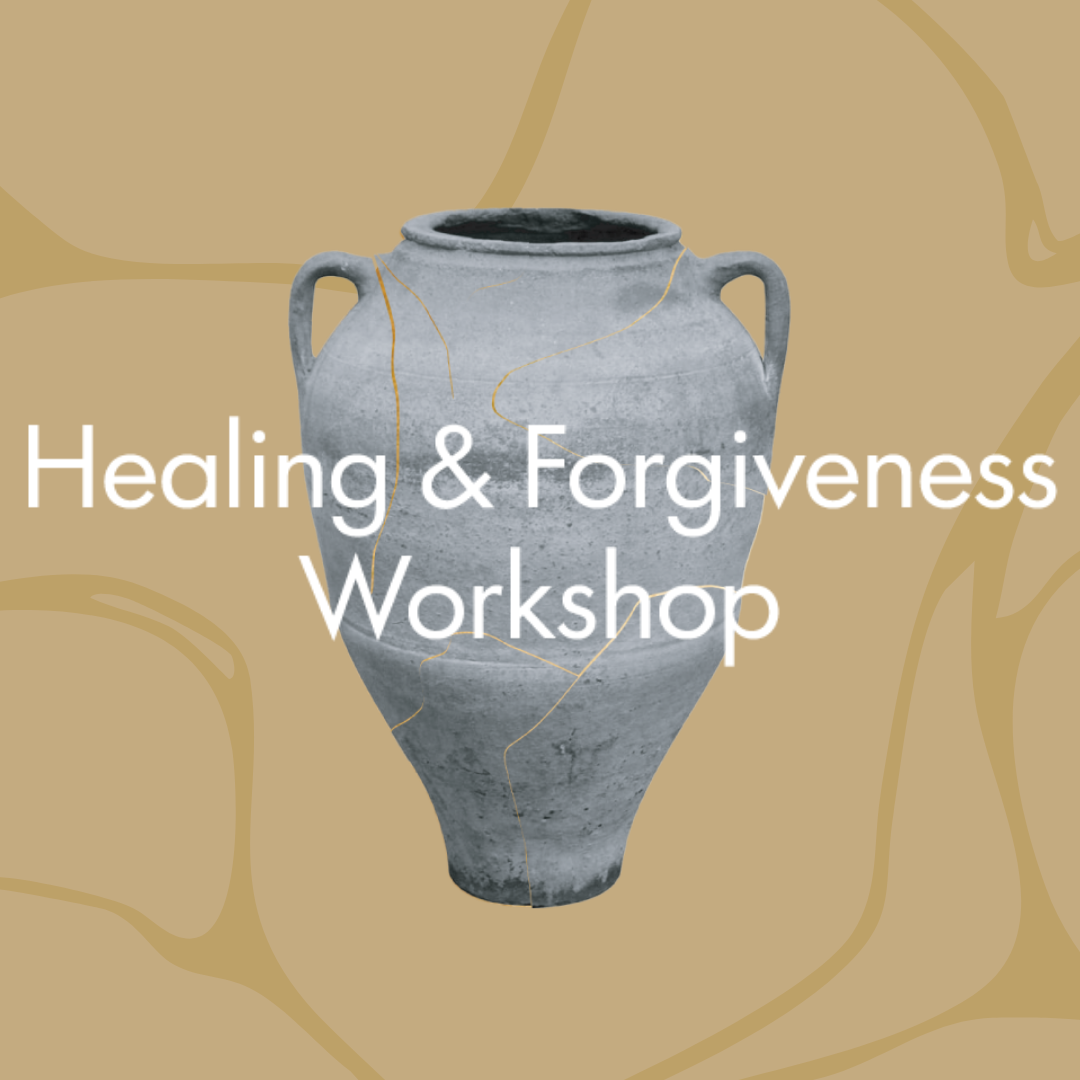
We were made to reflect God’s image together, receiving and sharing His love with one another. When we are healthy, we become living mirrors that reflect the heart of God. When we live in distortions and fail to love, the mirrors crack, and our view of God often cracks with them.
All of us carry both kinds of memories. Some faces showed us something true about God’s kindness. Other faces did not. Maybe you were cherished and seen. Maybe you were overlooked, betrayed, shamed, or left carrying a weight that was never yours to bear. Wounds like that go deeper than feelings. They shape how we see God and how we see ourselves.
Some of these wounds rise to the level of trauma. Some are soaked in shame and the belief, “There must be something wrong with me.” These stories cannot be rushed or cleaned up with a quick choice to “just forgive.” To forgive from the heart, as Jesus taught, usually requires a patient, intentional process.
Jesus makes a way. He came not only to forgive our sins, but to restore the Father’s reflection in our hearts. On the cross, He took on the full force of human betrayal, sin, and violence, without excusing any of it. In the resurrection, He opened the way for renewal and healing. The same hands that carried our pain are the hands that rebuild our capacity to trust, to love, and to forgive.
When we begin to walk this process with Jesus, healing becomes more than “letting someone go.” It becomes letting God in. In His presence, what once felt like only loss can become a place of surprising abundance.
Forgiveness does not mean forgetting. It does not mean pretending it did not matter. It does not automatically mean reconciliation with someone who is still unsafe. Reconciliation and trust depend on things like repentance, change, and wisdom. If your story includes abuse or ongoing harm, hear this clearly: Forgiveness does not require you to return to danger or remain in destructive patterns. Seeking safety, boundaries, justice, and support is part of honoring the image of God in you.
With all this in mind, let’s walk together through a process of healing and forgiveness. We will learn to invite the Holy Spirit into our pain, release those who have failed us, and welcome the love of Christ into the empty spaces they left behind.
7 Movements Toward Healing and Forgiveness
1. Invite the Holy Spirit
You cannot heal this wound alone. Begin by asking Him to guide, comfort, protect, and restore you. This is an act of humility, admitting you cannot fix yourself and that you do not have to.
2. Identify Who to Forgive
Choose one relationship that seems to be causing you ongoing pain. What was this person’s role in your life: father, mother, friend, pastor, spouse, boss, or someone else? Start with just one.
3. Identify Their Image-Bearing Role
Ask, “What characteristics of God’s nature was your ______________ meant to reflect?” List the qualities that should be present when that role is healthy, such as protection, delight, honesty, nurture, and steadiness. This list names what God designed so you can receive it from Him, even if you did not receive it from them.
4. Identify the Wounds
Look at your list from #3 and circle the qualities you did not receive or that were distorted. This is not a record of wrongs but a record of wounds that need healing. You are pinpointing where God’s character was misrepresented in your story so it can be seen, grieved, and forgiven.
5. Forgive Debt & Receive Jesus’ Payment
Choose one specific quality you circled to focus on. In this step, you choose to release this person from the role of providing that image-bearing quality for you. But you still need that image provided. Jesus is the perfect one to act as a substitute. Invite Him to cover their failure with His blood and to pay for the debt they owe you. This allows him to fill in and begin healing the place where the person failed.
Note: Forgiveness does not mean staying in unsafe situations, trusting them again, or erasing healthy boundaries. Forgiveness is choosing to let Jesus pay their debt, so He can heal what was harmed.
6. Receive Forgiveness
Ask God to show you the ways you have tried to fill this gap without Him through false comforts, unhealthy patterns, or idols of the heart. Confess what He shows you and receive His forgiveness. Remember that He meets you with compassion, not shame.
7. Form the Resurrection Scar: Receive God’s Ongoing Healing Presence
Meditate on the characteristic of God that you need represented to you most. Look in Scripture for how Jesus embodies the quality you lacked in the relationship. For example, if you lacked comfort, sit with passages where Jesus comforts others. The goal is not only to know these truths but to welcome His healing presence into the exact place where the wound began.
One cycle at a time
These seven movements form a “healing cycle.” You may have many wounds on your list. Take them one at a time. Some will release more easily. Others will feel stubborn and slow. And that’s okay. Healing and forgiveness take intention and time, so be patient and keep going. The Holy Spirit will walk with you through each wound to replace the imprint of pain with the reality of His healing presence.
Need extra support in this process?
Email: [email protected] | Subject line: Healing & Forgiveness